Pre-purchase, trip & fleet inspections
Know the condition before you commit.
A documented inspection turns visible condition, measurements and road behavior into a prioritized plan for the buyer, owner or fleet manager.
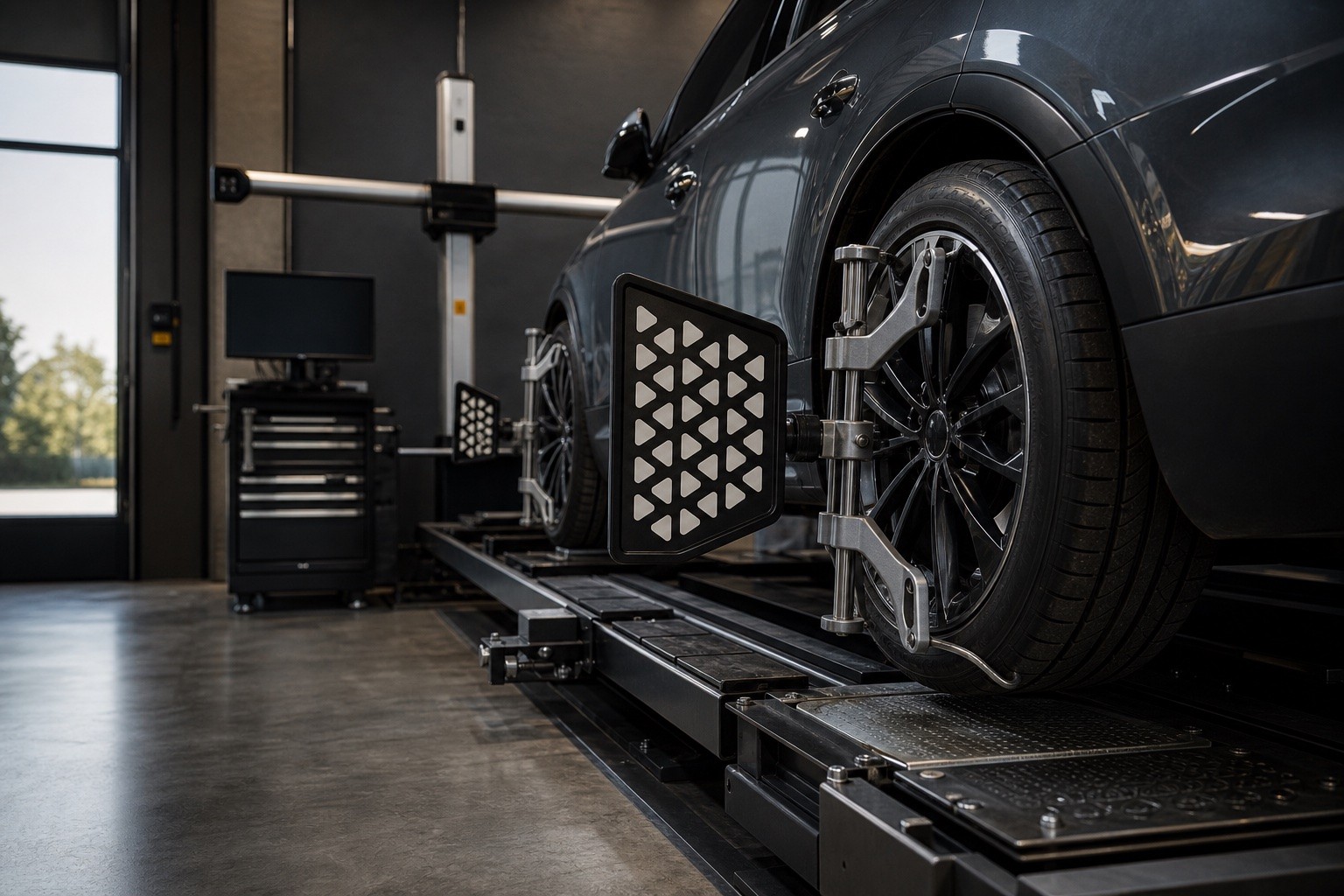
Documented condition
Inspect · document · prioritize
Some inspection findings change the travel plan.
If the vehicle has an active warning, fluid loss, brake concern or unsafe tire condition, call before driving it to the shop.
Scope before parts
A useful inspection ends with priorities—not a pile of observations.
The scope should be agreed first, then the report should distinguish immediate concerns, planned work and normal monitoring.
01
Confirm the concern
Capture the symptom, vehicle context and desired outcome.
02
Test the system
Use inspection and measurement to narrow the actual cause.
03
Write the scope
Explain the finding, options and total before authorization.
Estimate logic
An inspection describes visible and testable condition at that time; it is not a guarantee against every future failure.
Written scope and approval before repair work begins.
Prioritized condition report
Make the report easier to act on.
The example below demonstrates report structure only. It does not represent an inspected vehicle or verified business result.
Illustrative inspection report · no customer vehicle
Illustrative service example—actual findings, specifications, and recommendations depend on the vehicle and documented inspection.
01
Observe
What changed and under which conditions
02
Measure
The measurement or inspection performed
03
Prioritize
What the evidence supports
04
Report
Approve, ask, plan or decline
Start with the decision the report needs to support
Choose a vehicle inspection or start a fleet conversation.
Confirm the vehicle, timing and desired scope. The shop reviews the request before the appointment is confirmed.